Tanning Bed
Self serve Tanning Bed, UVB, and UVA

SunBed
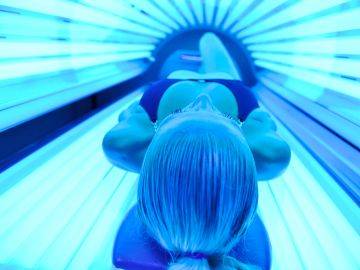
Because of their power – and the fact that they simulate UVA rays vs. UVB rays – they can actually penetrate the skin on a deeper level than the sun. This is why ten minutes in a tanning bed equates to about two hours of direct sun exposure.
SunBed
How Do We Tan?
Tanning happens when your skin is exposed to two different kinds of UV light: UVA and UVB. UVA oxidizes melanin, the pigment that gives your skin its tone, while UVB triggers melanin production. Both types of UV play an important role in the tanning process, and getting the balance right is crucial to a good look.
SunBed
Tan Wisely
The sun has been considered a symbol of vitality for millennia, and for good reason: its light energizes and stimulates not only our world, but us as well. But, like anything else, it’s important to enjoy it responsibly. Speak with one of our Tanning Experts and we’ll make sure you have a tanning program that is both responsible and achieves results.
Tanning Tips
Whether you’ve been tanning for a while or this is your first foray, we’ve put together a handful of helpful tips to put you on the right foot. Learn how long to tan, what to do after you tan and more.

Beginners
$15
5-8 minute session recommended if you never been in a tanning bed before.
Experience Tanners
$20
15 minute session Beds
Before Tanning Tips
Whether you’ve been tanning for a while or this is your first foray, we’ve put together a handful of helpful tips to put you on the right foot. Learn how long to tan, what to do after you tan and more.
- Exfoliate and Shave (1–2 days prior): Use a scrub or exfoliating mitt, but avoid doing this immediately before as it can cause sensitivity.
- Remove Makeup & Products: Cleanse your skin thoroughly to remove makeup, deodorant, and perfumes, which can block UV rays and cause uneven color.
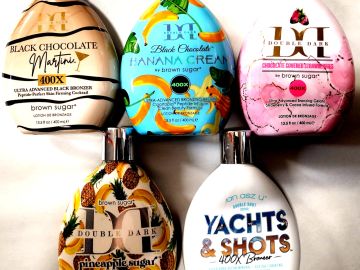
- Apply Indoor Tanning Lotion: Use a dedicated indoor tanning lotion—never sunscreen or outdoor oil—to hydrate skin and deepen results by up to 40%.
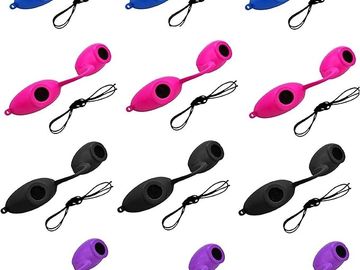
- Use Proper Eye Protection: Wear FDA-approved tanning goggles to protect your eyes, as closing them is not enough.
- Check Medications: Ensure you are not taking medications that cause UV sensitivity.
- Hydrate: Drink plenty of water before your session to prevent dehydration.
- Protect New Tattoos: Use a small towel or high-SPF sunscreen to protect tattoos.
During Tanning Tips
Whether you’ve been tanning for a while or this is your first foray, we’ve put together a handful of helpful tips to put you on the right foot. Learn how long to tan, what to do after you tan and more.
The Naked Truth
Once you’re in the privacy of your own tanning room, you can get as naked as you’d like. Just a heads up, though: if you choose to go completely nude, be sure to cover areas not typically exposed to the sun.
Tanning lotion Tips
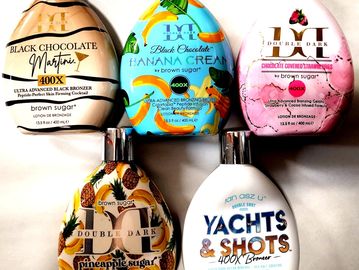
Apply indoor tanning lotion evenly over all areas of your body. Our Tanning Experts can connect you with the best skincare products to extend the life of your tan. Just make sure that the lotion you use is an indoor tanning lotion—lotions not made for indoor tanning can damage the tanning beds and will not help you develope your tan.
Protect those eyes
We want you to see how good you look after your session. That’s why we have to insist that you wear protective eyewear. And it’s not just us: it’s required by law. You’ll find complimentary protective goggles for use on each tanning bed.
After Tanning Tips
Whether you’ve been tanning for a while or this is your first foray, we’ve put together a handful of helpful tips to put you on the right foot. Learn how long to tan, what to do after you tan and more.
Safety First
Never Rush a Tan! As part of our Tan Wisely initiative, Recommends allowing at least one day between tanning bed sessions to achieve optimal color development.
Shine Brighter Longer
A tan extender is the best way to shine for longer.
Tanning 1-3 times a week is ideal for maintaining your color. Consult with your salon’s Tanning Experts for your personalized tanning routine!
Frequent Ask Question
Know Your Skin Type First things first: speak with one of our Tanning Experts to determine your tanning skin type. They’ll be able to help you select the right tanning bed, skincare products, session times and schedules.

Skin Type
1. Pale Skin.
Skin burns easily & Severley Does not tan
2. Fair Skin.
Light skin Burns easily & Severely Tans minimally
3. Light Brown or Olive Skin.
Normal Skin- Burns moderately Tans Moderately
4. Dark Skin
Burns minimally, Tans well/above average

- What's the best way to lie in the tanning bed? We recommend lying on your back with your arms several inches away from your sides. You will want to keep your palms facing up and make sure there's a slight bend in your knees.
- Can I tan in a tanning bed if I have fair skin? The best way to find out what works for your skin is by referencing our skin type chart and consulting with your Tanning Expert. We will help you put together a tanning routine that works for you.
- How many times a week can I use Tanning Bed?
